
CARLOS DE MOYA

What 16 NYC Teens Taught Me About Fashion, Failure, and Social Justice
May 11, 2026 0 1857

By Carlos De Moya | Fashion Designer, Educator & Media Director Published: Summer 2025 | SYEP Program, CASW Inc. x DYCD

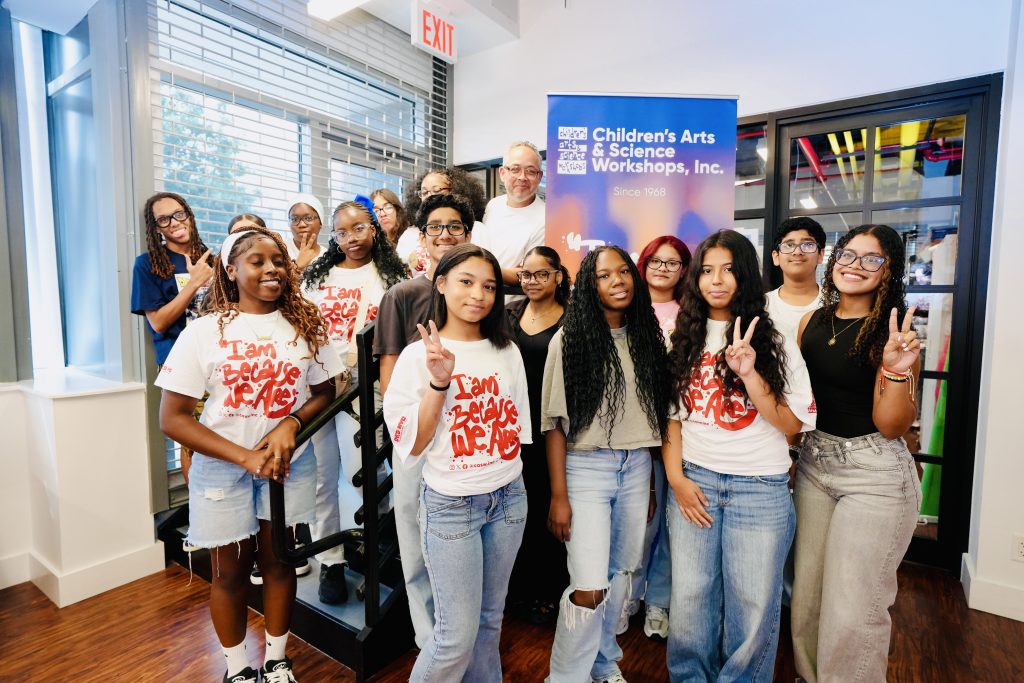
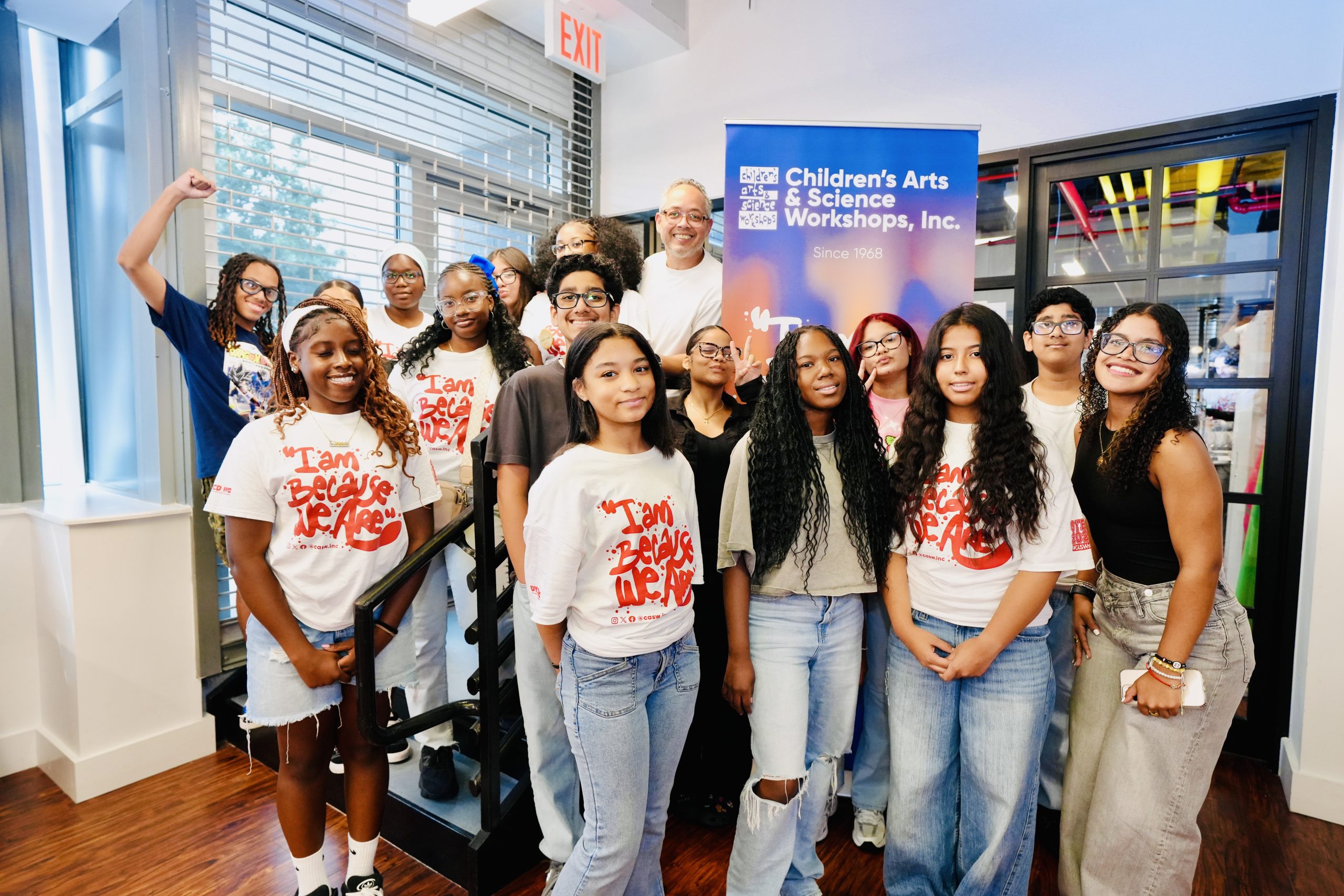
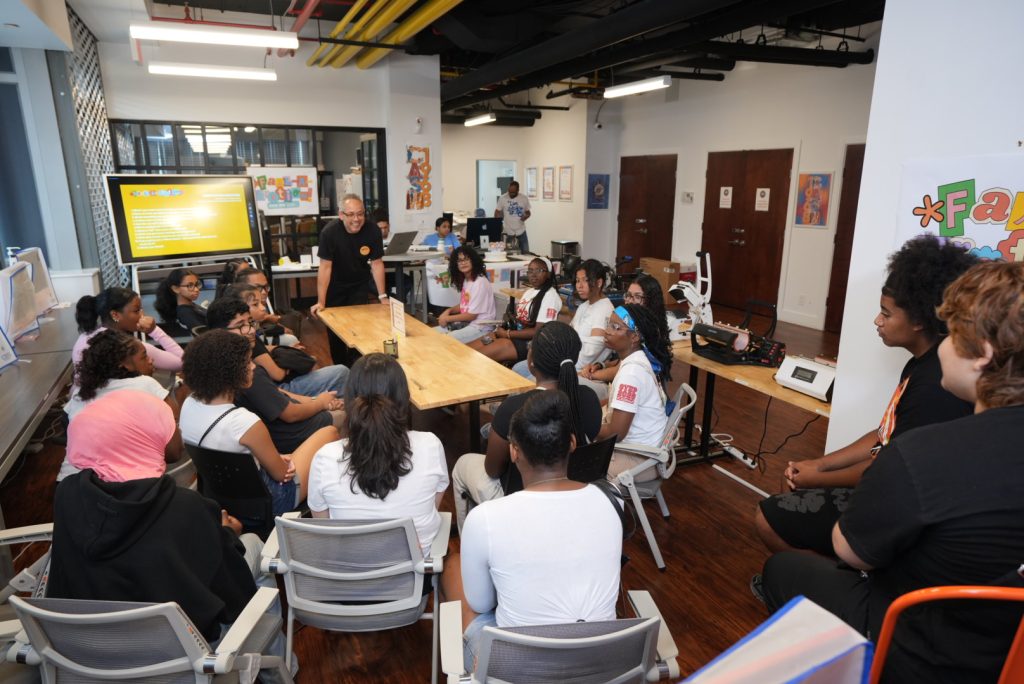
Last summer, I walked into a room of 13 teenagers who had never met each other.

Some were quiet. Some were skeptical. A few had never held a design tool in their lives. One student told me she was curious but did not quite understand what fashion had to do with anything serious.

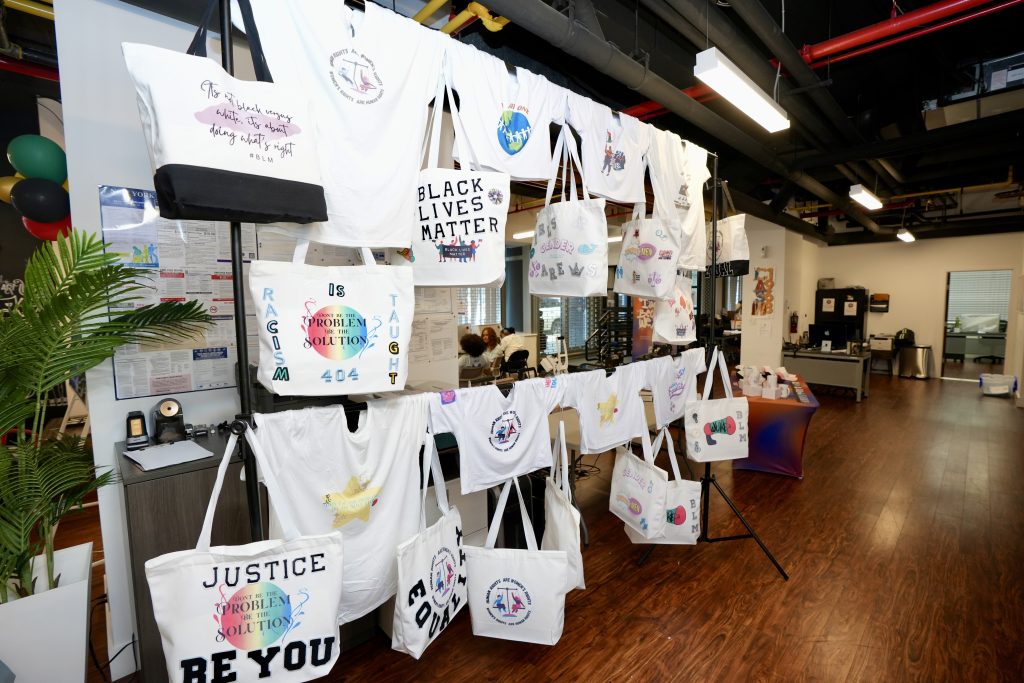
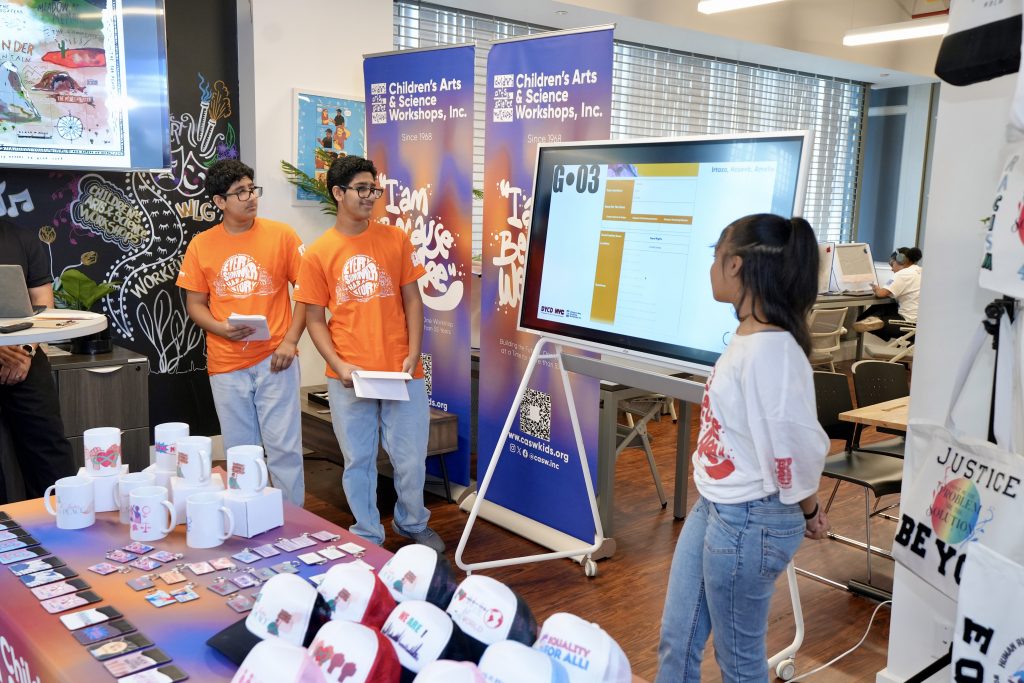
By week 6, those same students had designed and produced tote bags, mugs, shirts, and keychains. Each piece carried a message about a social justice issue they chose themselves: gender inequality, racial justice, LGBTQ+ rights, equal rights for all.

That is what “The Power of Fashion” looks like in practice.

What is The Power of Fashion?

The Power of Fashion is a Project-Based Learning (PBL) program I designed and facilitated through Children’s Arts & Science Workshops, Inc. (CASW) as part of New York City’s Summer Youth Employment Program (SYEP) 2025, funded by the NYC Department of Youth & Community Development (DYCD).

The program runs 6 weeks with youth ages 14 to 15 across the five boroughs. Participants learn how fashion functions as a form of social communication, not just as personal style. They select a social justice issue that matters to them personally, build a design concept around it, create original graphics, and produce physical merchandise using professional tools including heat press machines, Canva, and Procreate.

This is not a sewing class. It is a communication class. The medium is what you wear.

The book that started it

I built this entire program around a picture book.

“Fail-A-Bration,” by Brad and Kristi Montague, asks one uncomfortable question: what if we celebrated our failures the same way we celebrate our wins?

I brought that question into the very first session. Not as a motivational speech, but as a genuine challenge. Most people, myself included, are not great at sitting with failure. We celebrate outcomes. We move past mistakes quickly. We quietly erase the version of a project that did not work and present the one that did.

This program was built to do the opposite.

One of my students, Maranda, wrote in her final reflection: “I also learned that failure is what leads you to success.” Another student, Irtaza, listed “Failures Fuel Growth” among his top 10 takeaways from the six weeks. Emily, who arrived somewhere between cautious and curious, wrote something that took me years to understand myself: “good things come from trial and error, not just perfect planning.”

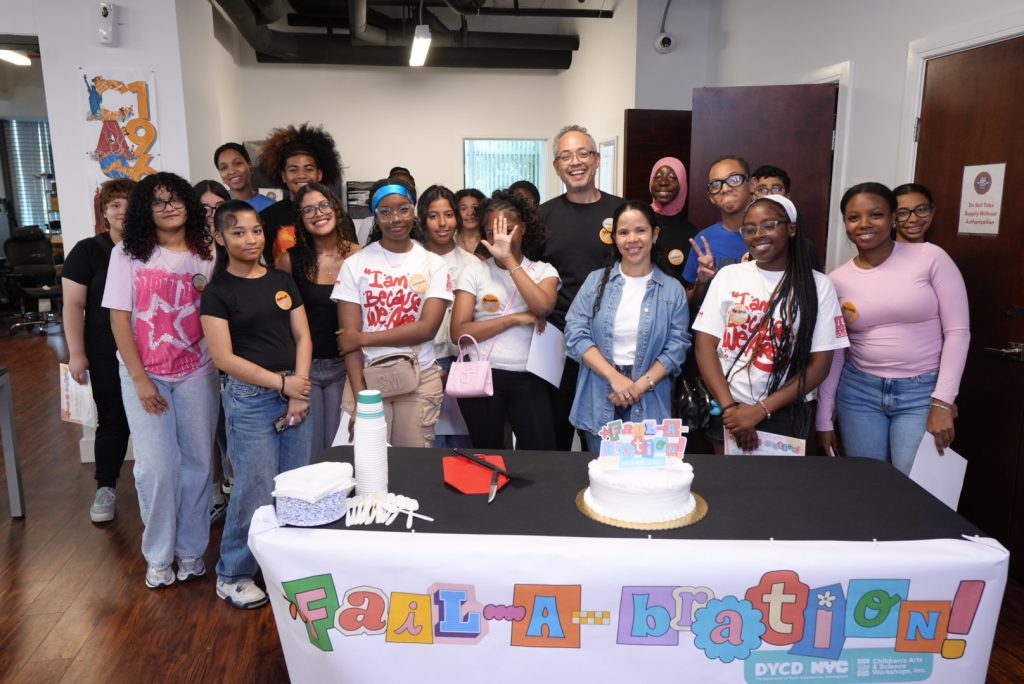
At the end of the program, we held an actual Fail-A-Bration. Maranda’s single best memory from the entire summer? “The fail-a-bration with the yummy cake.”

Fashion is good for a lot of things. It turns out, it is also good for cake.
What the students actually did, week by week

The group built from nothing.

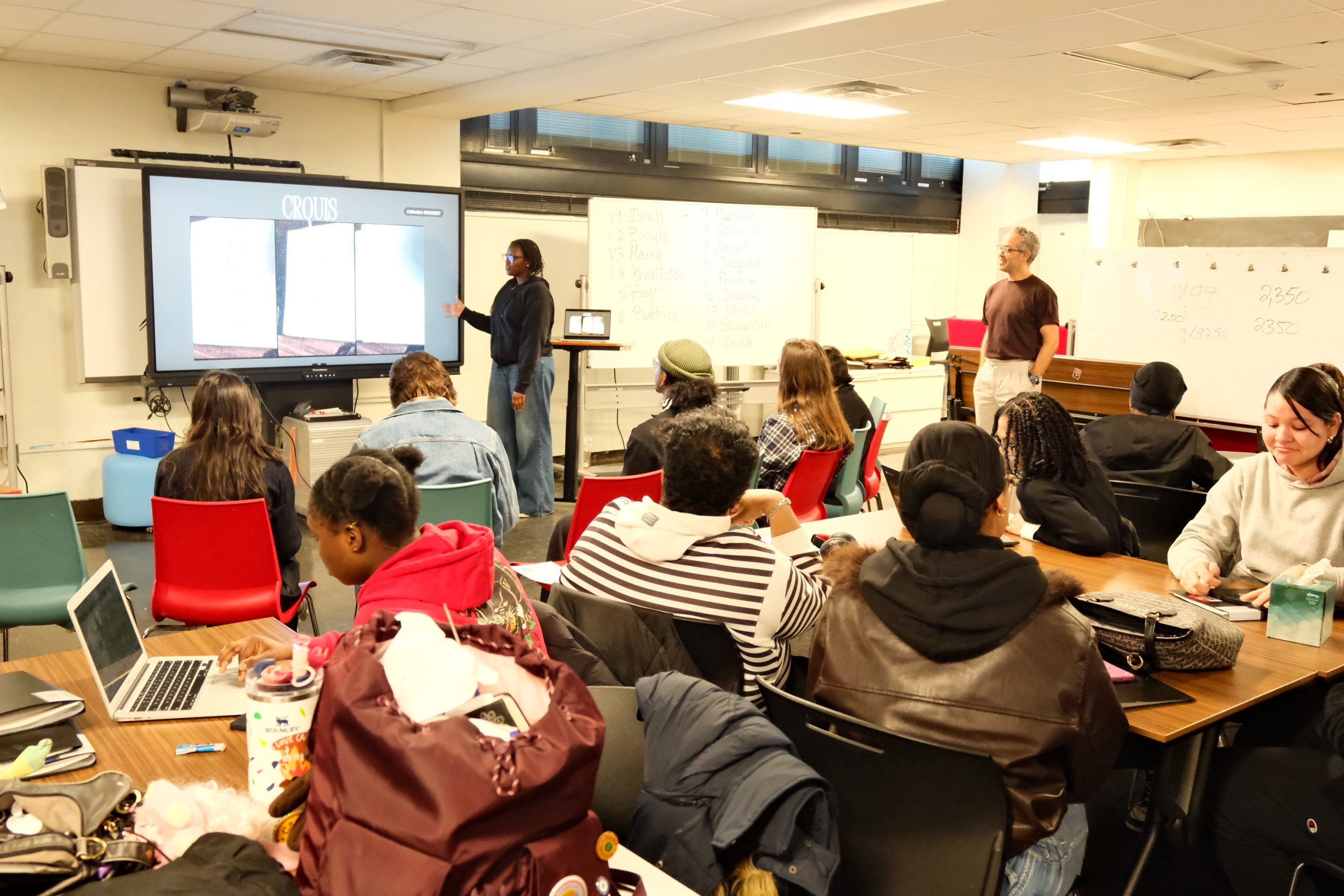
They started with questions. Where does fashion come from? How has it communicated power, identity, and resistance throughout history? We looked at fashion as a social tool: from the Harlem Renaissance to protest T-shirts to the visual language of movements like Black Lives Matter.

They chose their causes. Gender inequality. Racial justice. LGBTQ+ rights. Equal rights across the board. These were not assigned topics. Every student chose something personal.

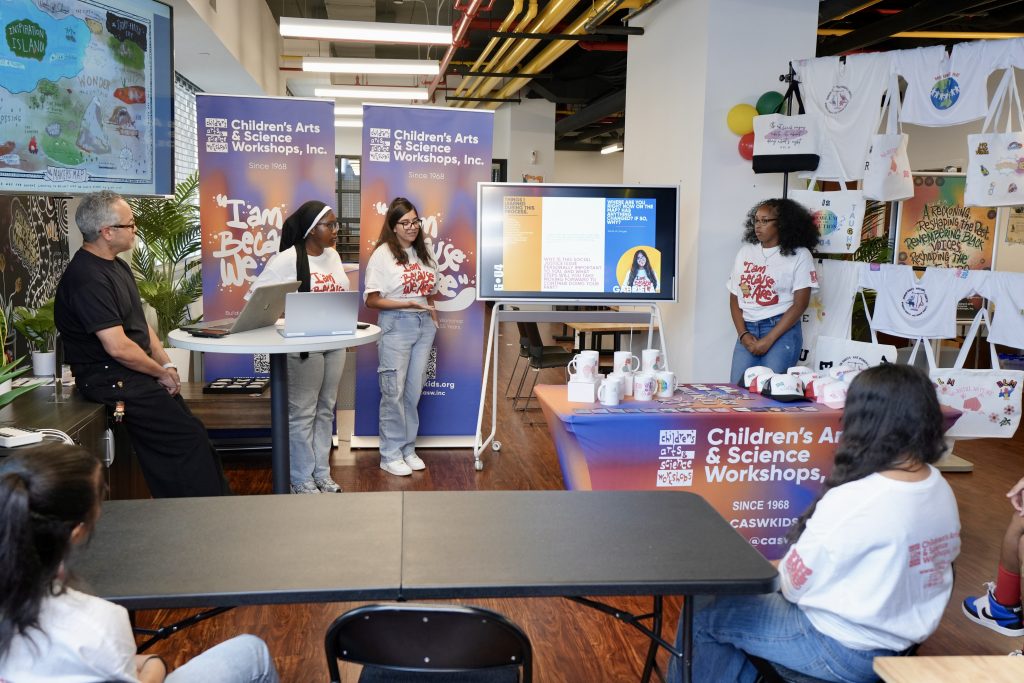
Gaby connected her topic to watching her father have more control over her mother growing up. “I couldn’t help but notice my dad had more power over my mom,” she wrote. “It honestly annoyed me so I wanted to bring attention to it.”

Jayline picked racial justice because, as she put it, “as an African American I want to help stop hatred and racism because it can affect me.” Breyanna chose gender equality because “it is about my gender and it is a real issue that is still taking part in the world.”

When students say a topic is personally important, they mean it.

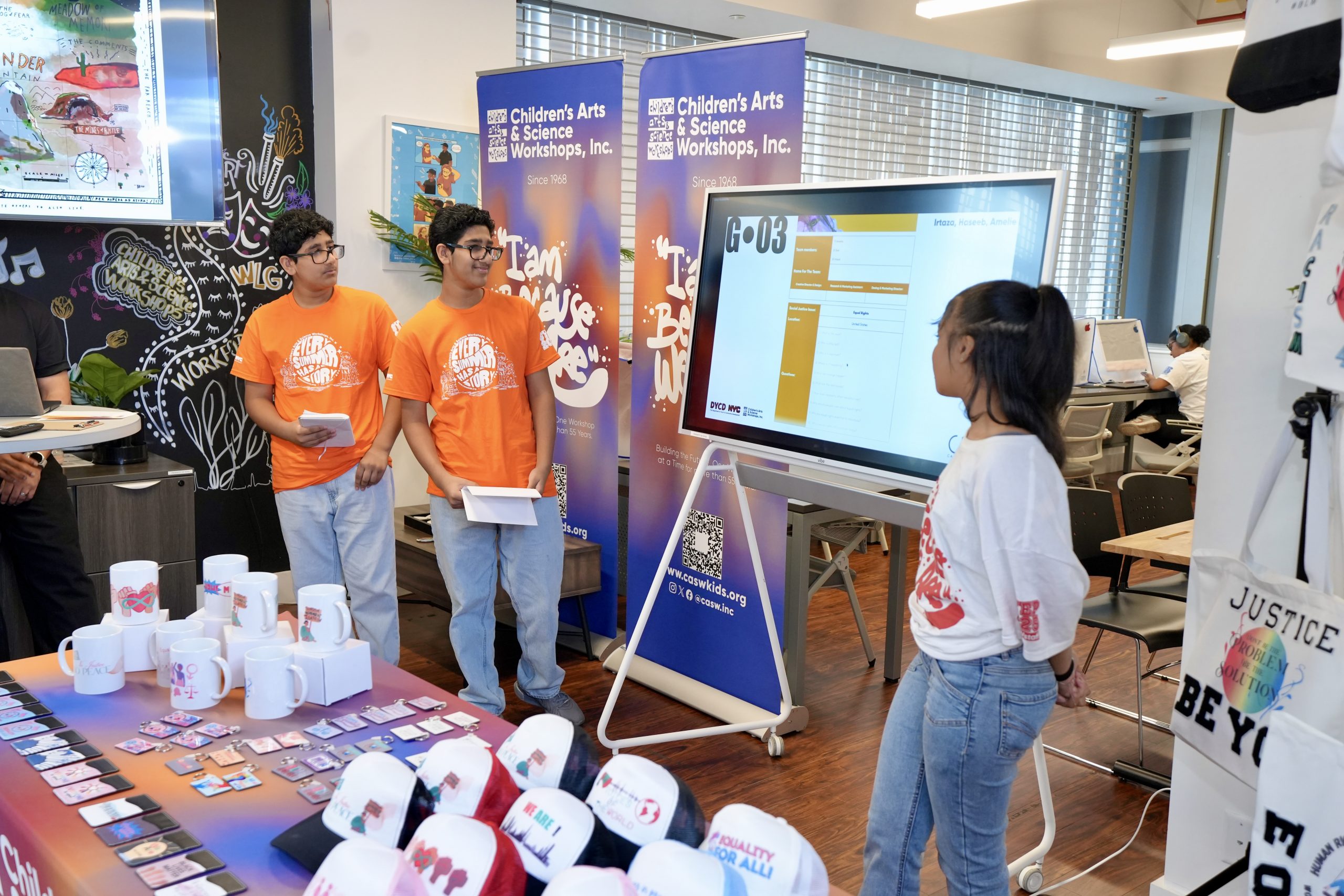
They designed. Using Canva and Procreate, they created original graphics that carried their message. They worked in groups, argued through ideas, compromised, gave each other feedback, and started over when something did not land.

They produced. Using heat press machines, they pressed those designs onto physical products. Emily captured the moment I live for as an educator when she wrote: “seeing something we created become real and physical was exciting. It felt like the work we put in had a purpose.”

That sentence is why I teach.

The map: a reflection tool that showed real movement

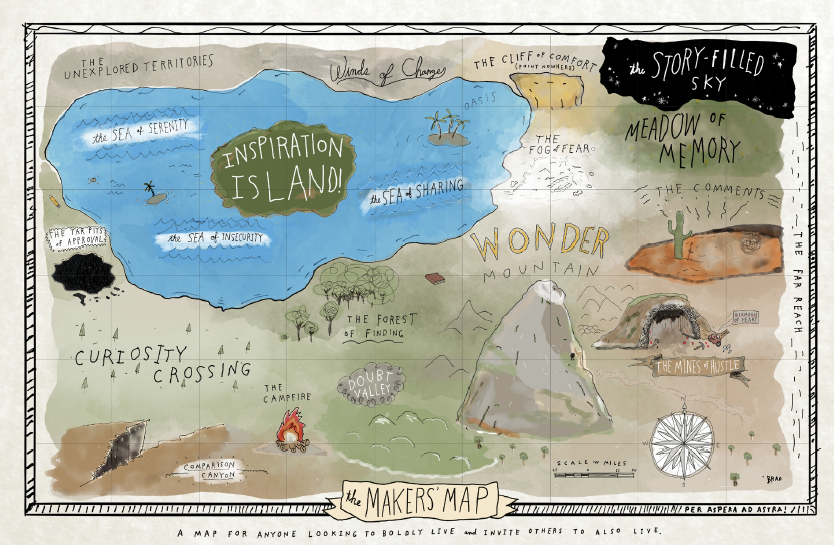
Throughout the program, students used a reflection map to track where they were emotionally and mentally. The checkpoints had names: Curiosity Crossing, Inspiration Island, Cliff of Comfort, Forest of Finding, Winds of Change, Meadow of Memory, Wonder Mountain.

Students placed themselves on this map weekly. By the final week, most had moved.

Breyanna started at Curiosity Crossing and ended at Inspiration Island. Emily moved from Cliff of Comfort to Winds of Change, writing that the process “pushed me to reflect and grow even when it felt uncomfortable.” Niagale was still in the Forest of Finding, discovering things but not yet sure what they meant. Jayline said she had reached the Cliff of Comfort because she was “comfortable in everything she was doing.”

No two students were in the same place. That is the point.

Growth does not follow a single path. Some students arrived skeptical and left energized. Some arrived excited and left more thoughtful than they expected. All of them moved. I did not push them. The process did.
What the students taught me about the program

I have been working in fashion and education for over 25 years. I still learned something last summer.

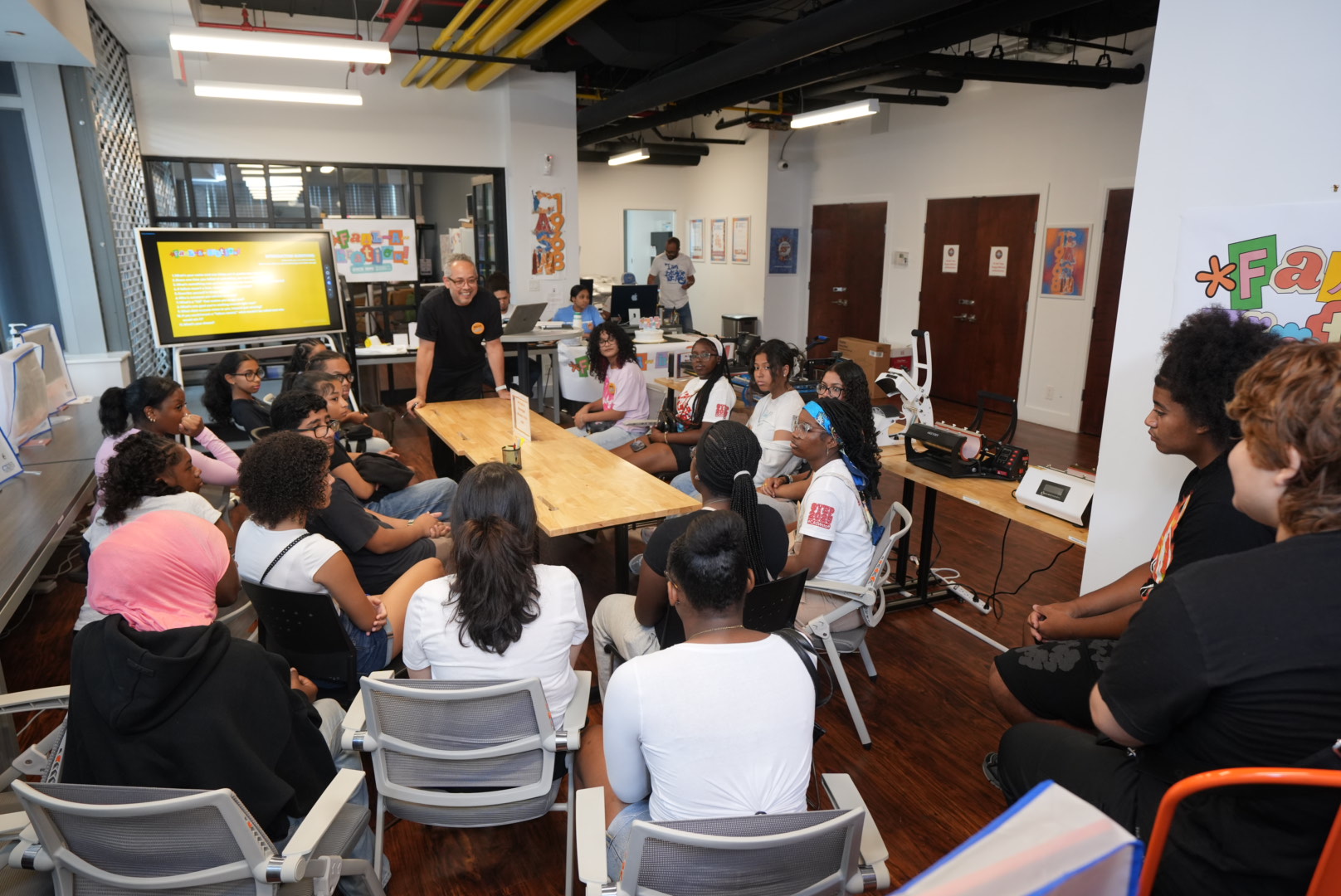
When you give teenagers a real space to evaluate an experience, they are direct and specific. The feedback they provided was some of the most honest I have received.

Several students wanted music playing while they worked. Multiple students asked for more time on group activities. A few wanted to go deeper into the social justice content itself, beyond the design angle. One student proposed peer revision sessions between groups so different teams could critique each other’s work, something I am building into the next version of this program.

One student’s feedback stood out to me: “I’ve gotten confused sometimes.” No hedge. No softening. Just the truth.

That kind of feedback makes a program better. If the goal is to democratize creative education, the students are co-designers of the experience.

Why this matters beyond fashion

The teens in this program are part of SYEP, one of the largest youth employment programs in the country. Many of them had never worked with professional design tools. Several had never been asked to connect a personal belief to a creative output. A few had never felt like their perspective belonged in a room where things were being made.

Fashion was my entry point. But the skills that built their tote bags are the same skills that build careers: communication, project management, handling feedback, working through failure, producing something real from an idea.

Breyanna said it plainly in her reflection: “if I want to be a fashion designer I could know how and where to start.”

She came in curious. She left with a direction.

That is what good programming does. It does not give people a destination. It gives them a starting point.

A note on where this goes next

The students who came through this program last summer are not waiting to be told fashion is serious. They already know. They used it to say something about their world, put it on a product, and handed it to someone.

That is the whole argument for why fashion belongs in education.

It is not decoration. It is a language. And every one of those 16 students proved they already spoke it.

Frequently asked questions

Project-Based Learning in fashion education is a teaching approach where students complete a real-world creative project from start to finish rather than studying fashion theory in isolation. In The Power of Fashion, students selected a social justice issue, developed a visual concept, produced original merchandise, and reflected on the process throughout. The output is both a physical product and a documented learning experience.

The Power of Fashion was a 6-week PBL program designed and facilitated by Carlos De Moya through Children’s Arts & Science Workshops, Inc. (CASW) as part of New York City’s Summer Youth Employment Program (SYEP) 2025, funded by DYCD. Youth ages 14 to 15 used fashion design, Canva, Procreate, and heat press technology to produce original merchandise tied to social justice themes they chose themselves.

Fashion has historically functioned as a form of protest, identity, and cultural communication. In this program, students chose real social justice issues, including gender inequality, racial justice, and LGBTQ+ rights, and used original graphic design to communicate their position through wearable and usable products. The process taught both design skills and civic engagement simultaneously.

Fail-A-Bration is a concept from the picture book by Brad and Kristi Montague. It challenges the assumption that only success deserves celebration. In The Power of Fashion, this philosophy shaped the entire program structure. Students were encouraged to iterate, make mistakes, and see failure as a normal step in the creative process. The program concluded with a real Fail-A-Bration celebration.

Carlos De Moya designs and facilitates custom PBL programming for youth organizations, after-school programs, nonprofit agencies, and workforce development initiatives. If you want to bring a version of The Power of Fashion to your community, get in touch through the contact page.

Make A Comment

Close

// INSTAGRAM

New Jersey, USA

// FOLLOW ME

Cart (0 items)
UP
Select the fields to be shown. Others will be hidden. Drag and drop to rearrange the order.
  • Image
  • SKU
  • Rating
  • Price
  • Stock
  • Availability
  • Add to cart
  • Description
  • Content
  • Weight
  • Dimensions
  • Additional information
Click outside to hide the comparison bar
Compare