A six-week program. A capsule collection. And students who will never see fashion the same way again.
I want to tell you about a moment that reminded me exactly why I do this work.
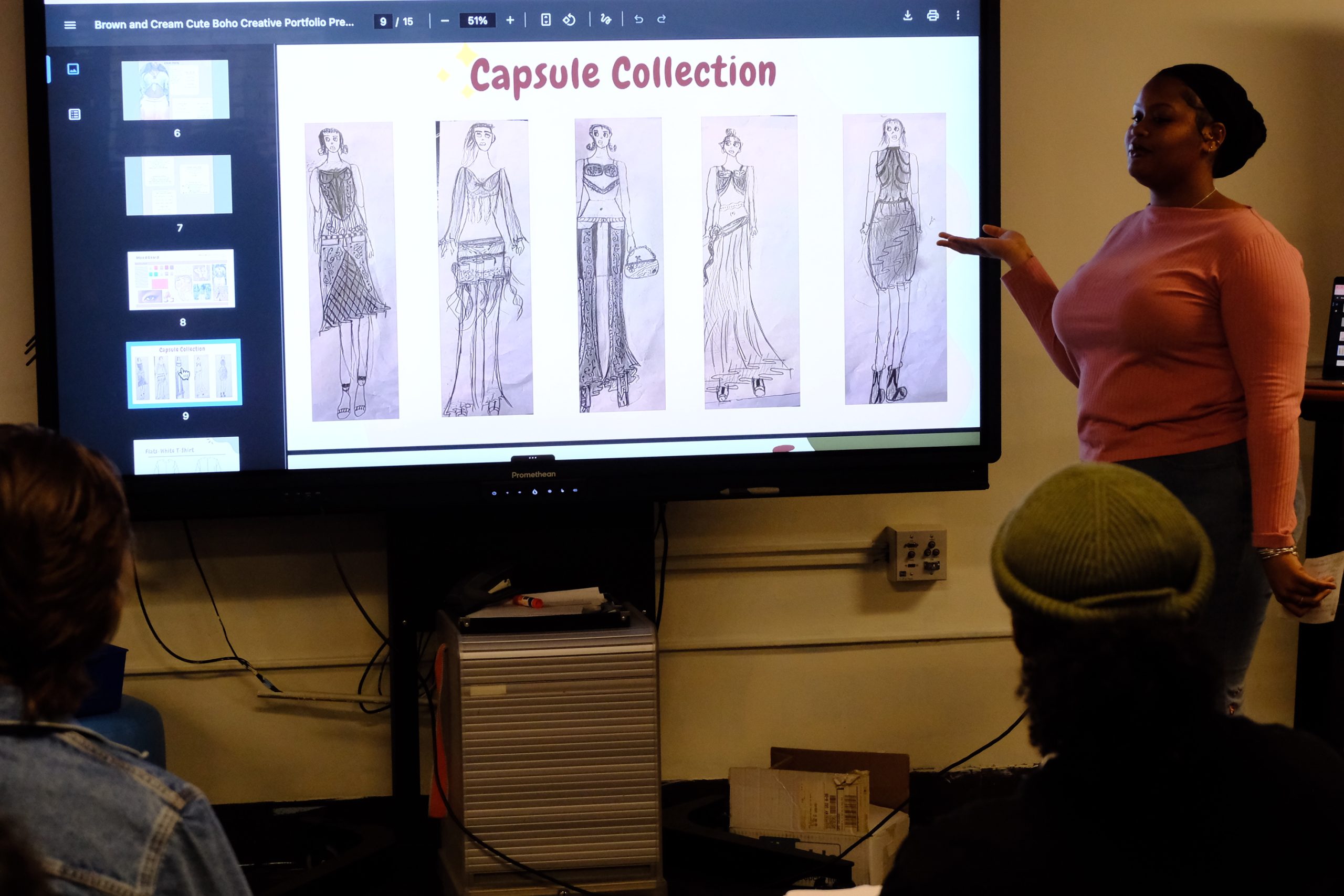
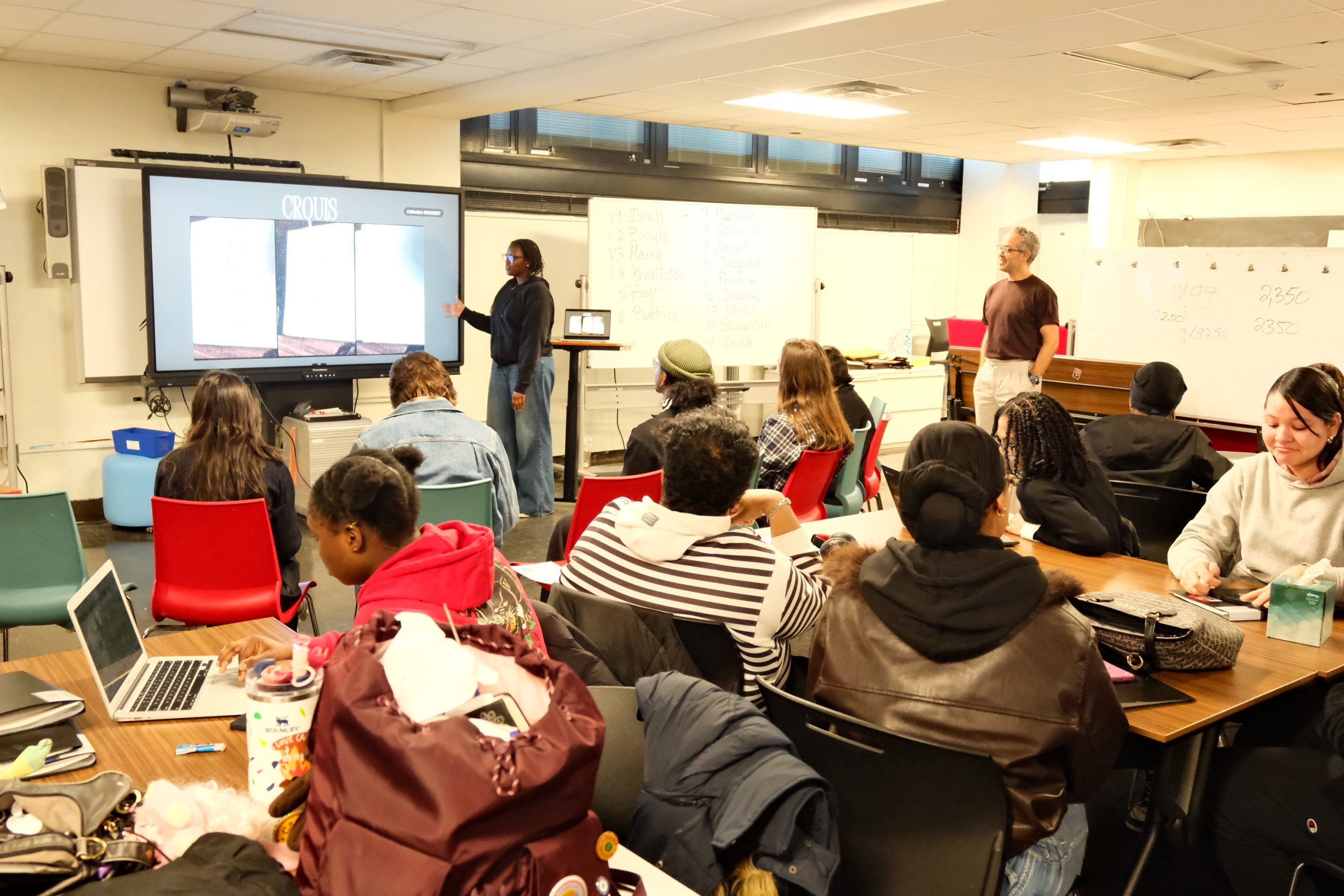
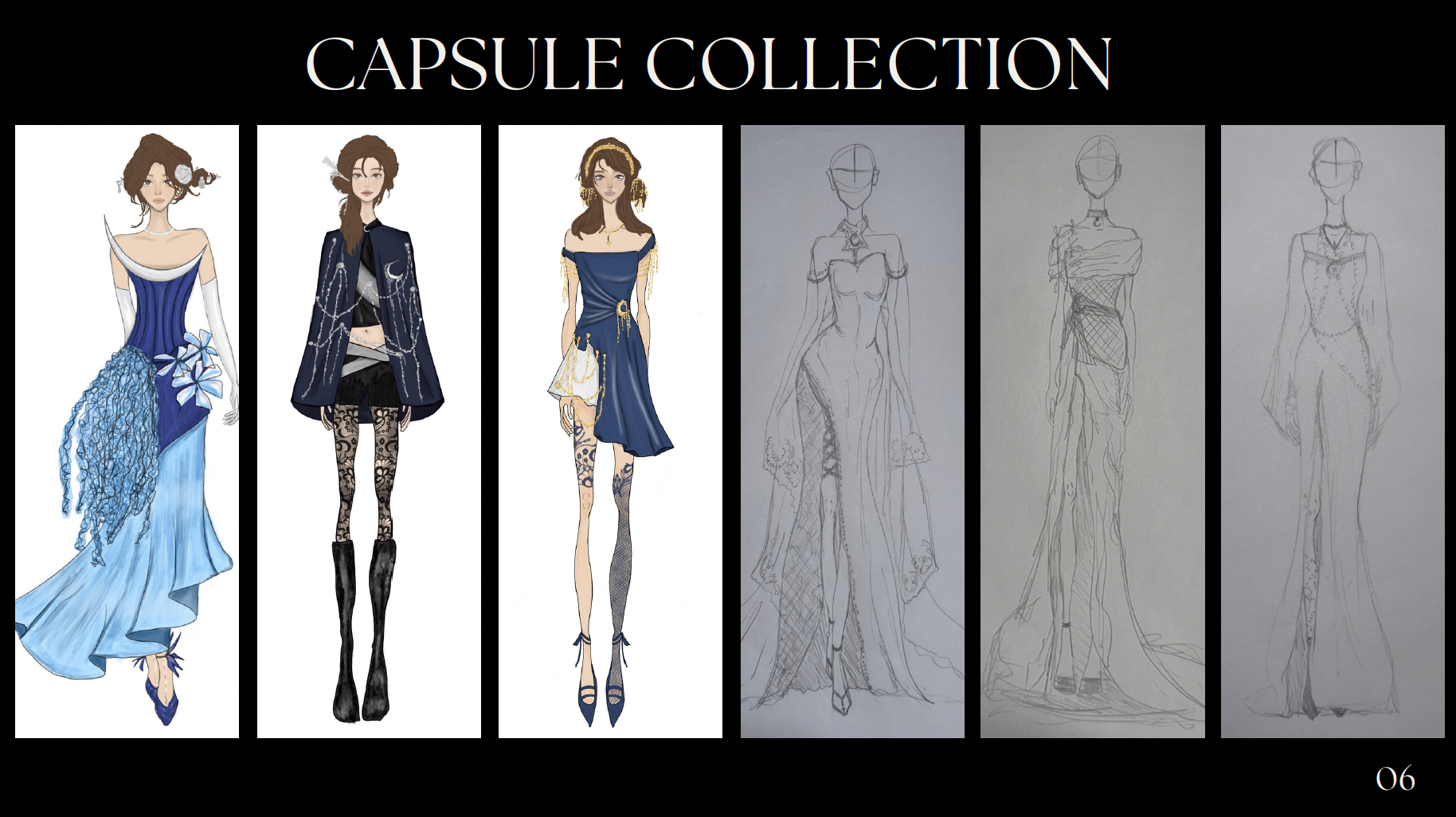
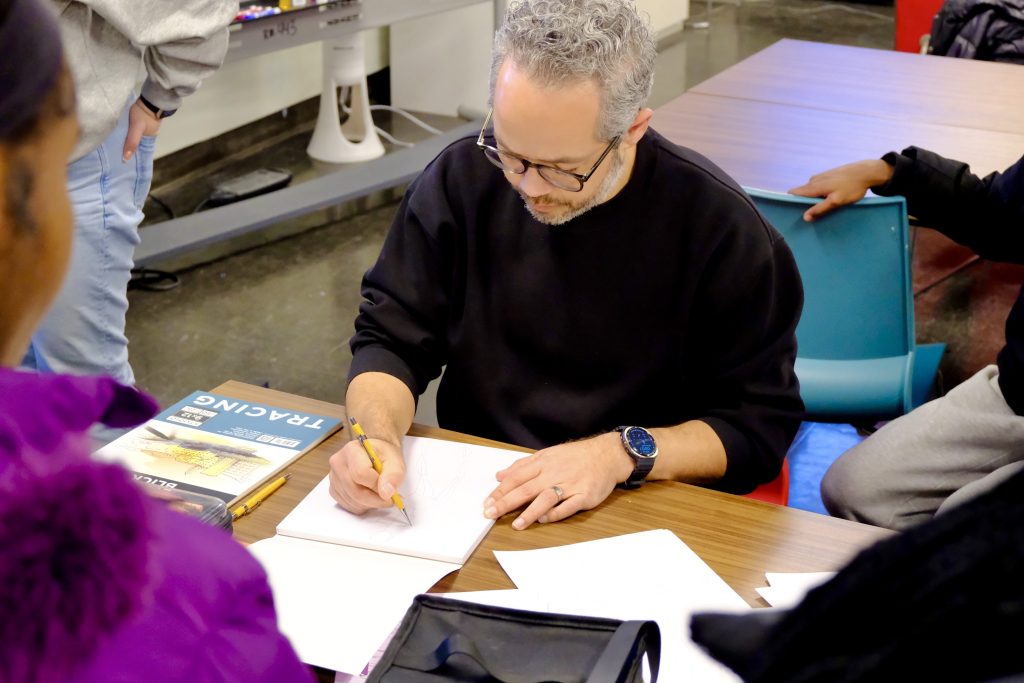
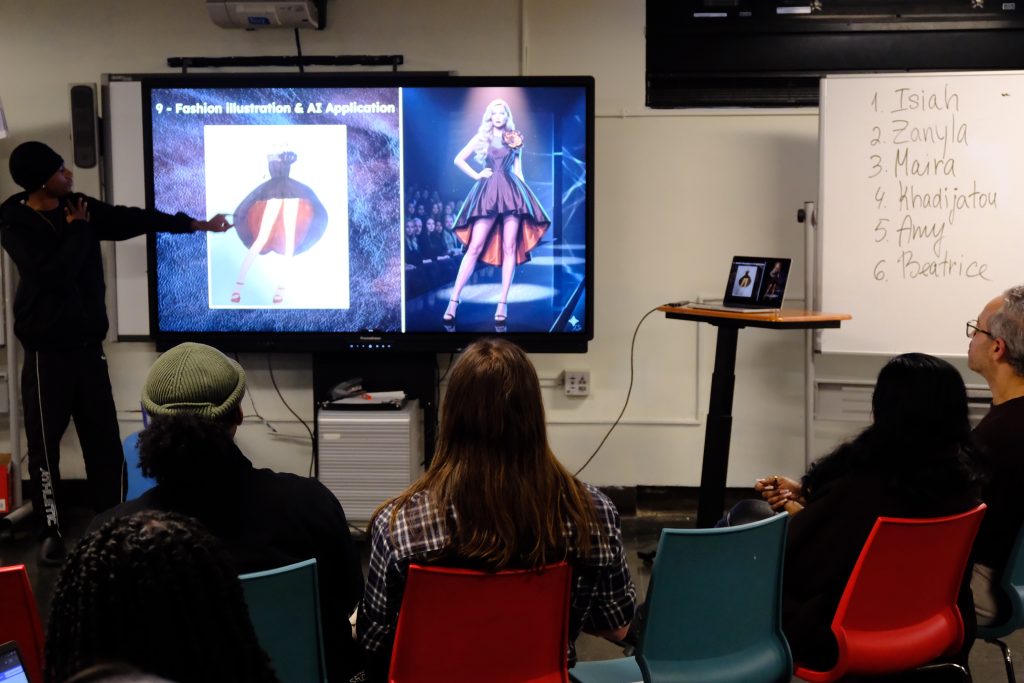
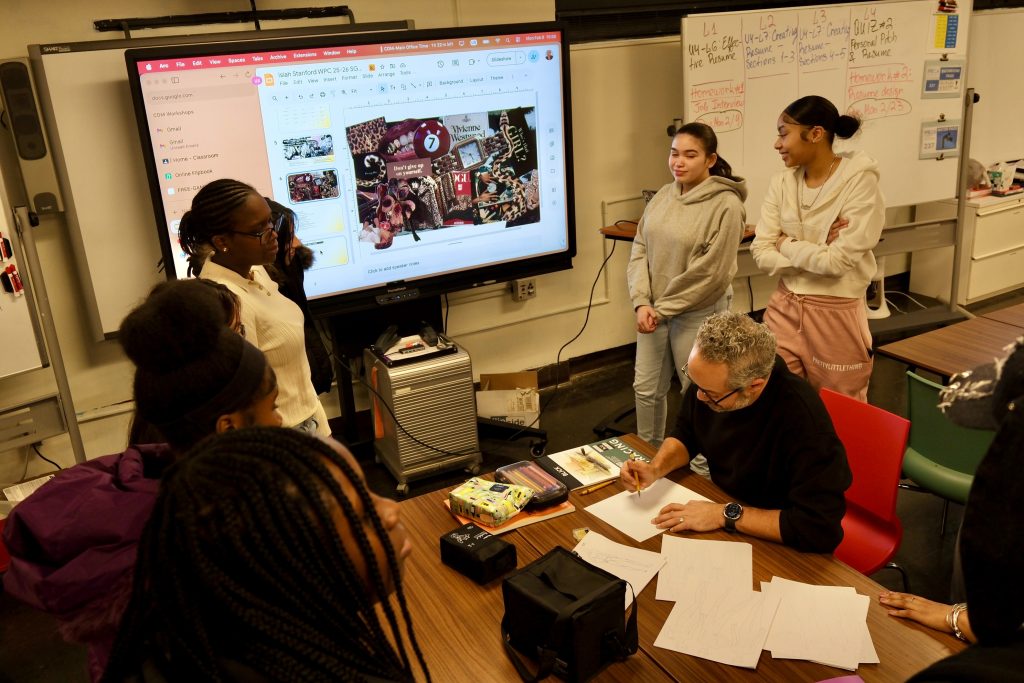
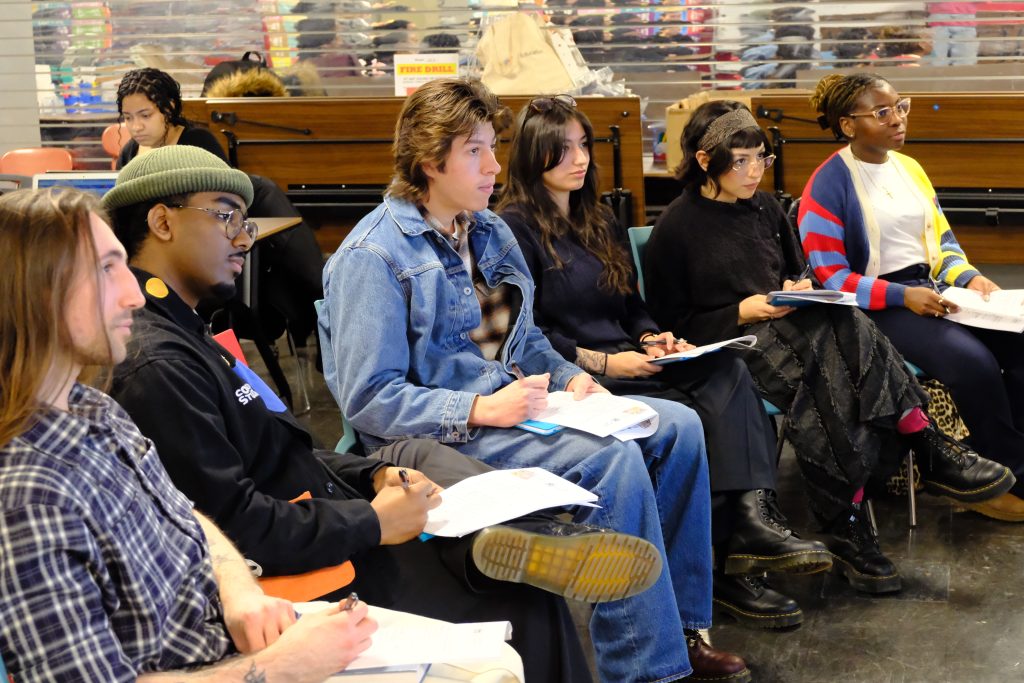
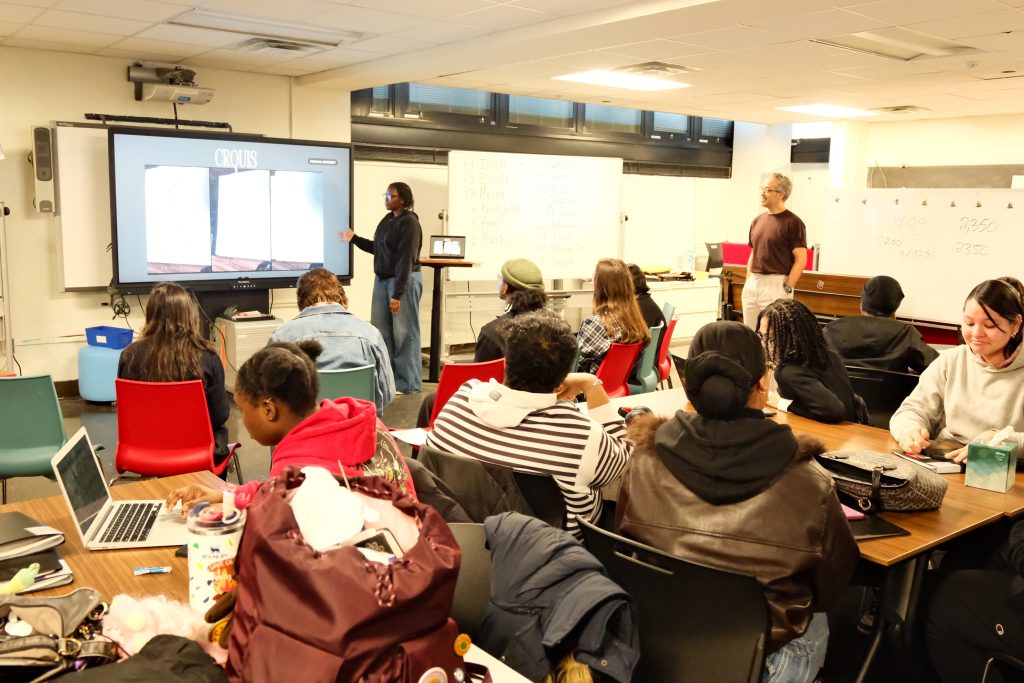
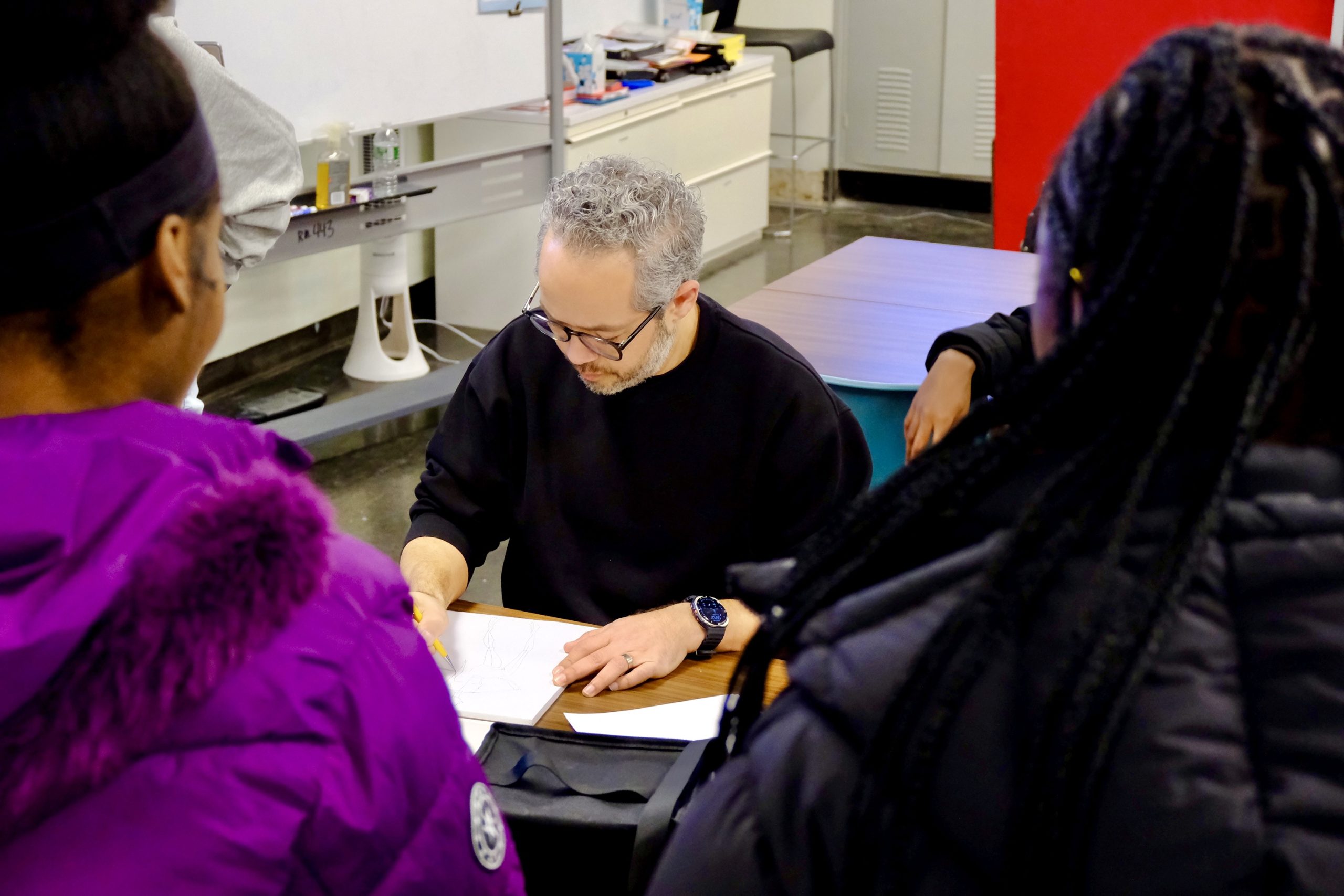
A group of high school students at The Manhattan Early College School for Advertising (MECA) in New York City stood in front of a panel of judges and presented their first capsule collections. Fashion illustrations. Technical flats. Moodboards. A client profile. A creative process built from scratch over six weeks.
Some of them had never drawn a fashion figure before. None of them had ever built a collection.
And every single one of them delivered.
What We Built Together
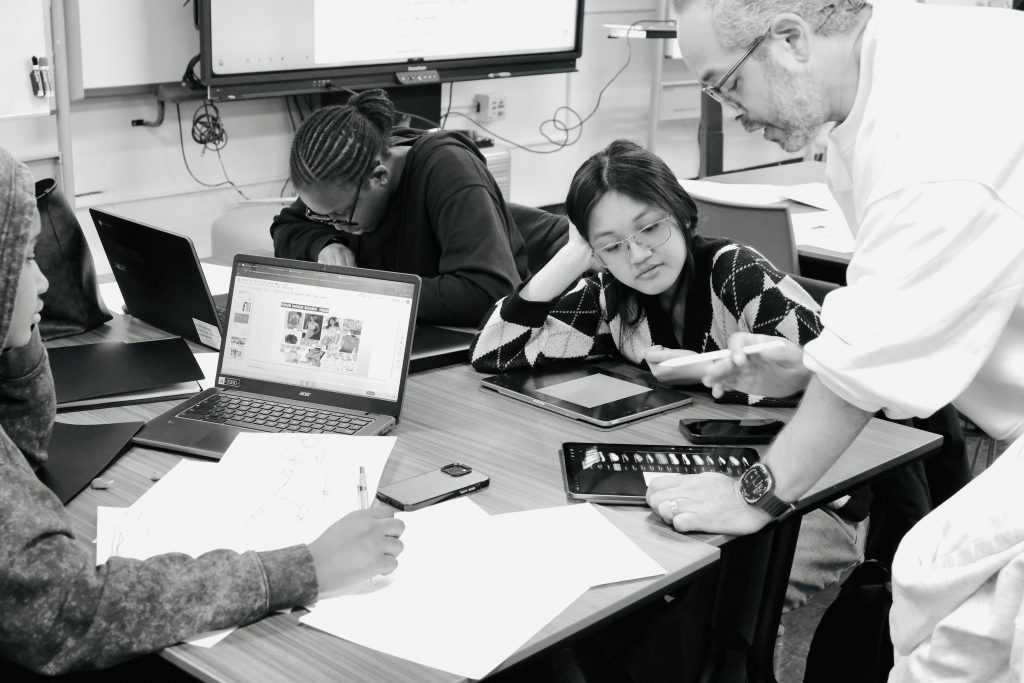
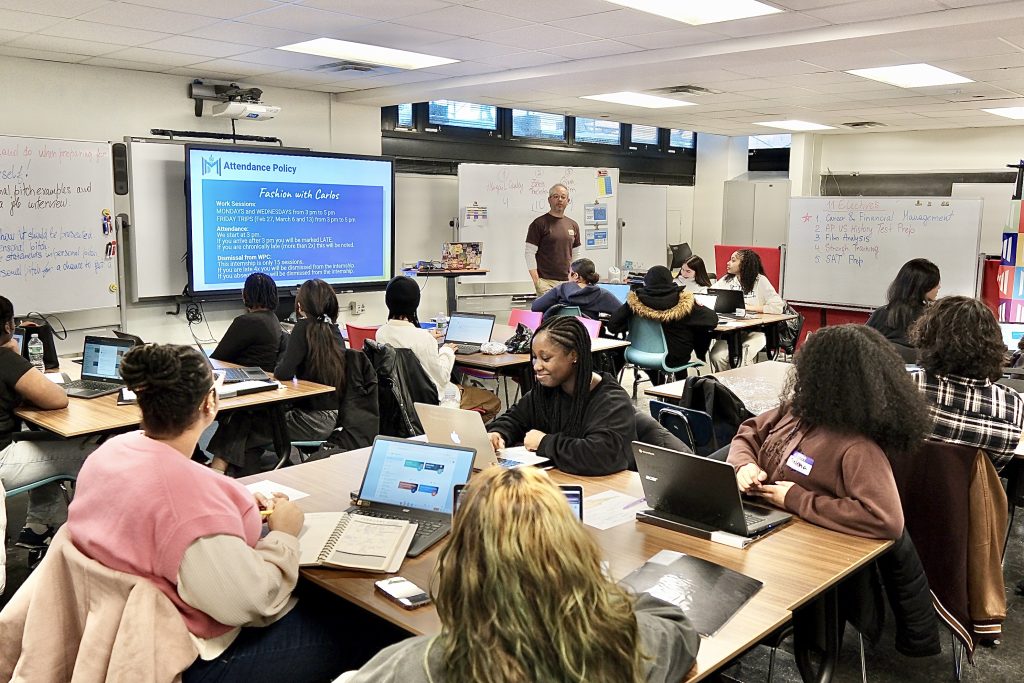
This was a structured six-week Workplace Challenge designed to give students a real experience of what working in fashion actually looks like. Not just the creative side. The business side. The technical side. The discipline it takes to take an idea from your head to a page.
Students worked through:
Fashion illustration fundamentals, including proportion and the fashion figure
Technical sketches and flats using Adobe Illustrator
Moodboards and client profiles to develop their design perspective
Capsule collection development, with written reflections on their process
A field trip to the FIT Museum (Art X Fashion expo) to connect design to history and culture
A final presentation to a panel of judges from the fashion industry
Every assignment connected to one goal: building a digital fashion portfolio that represents who they are as young designers.
Former Students Who Came Back
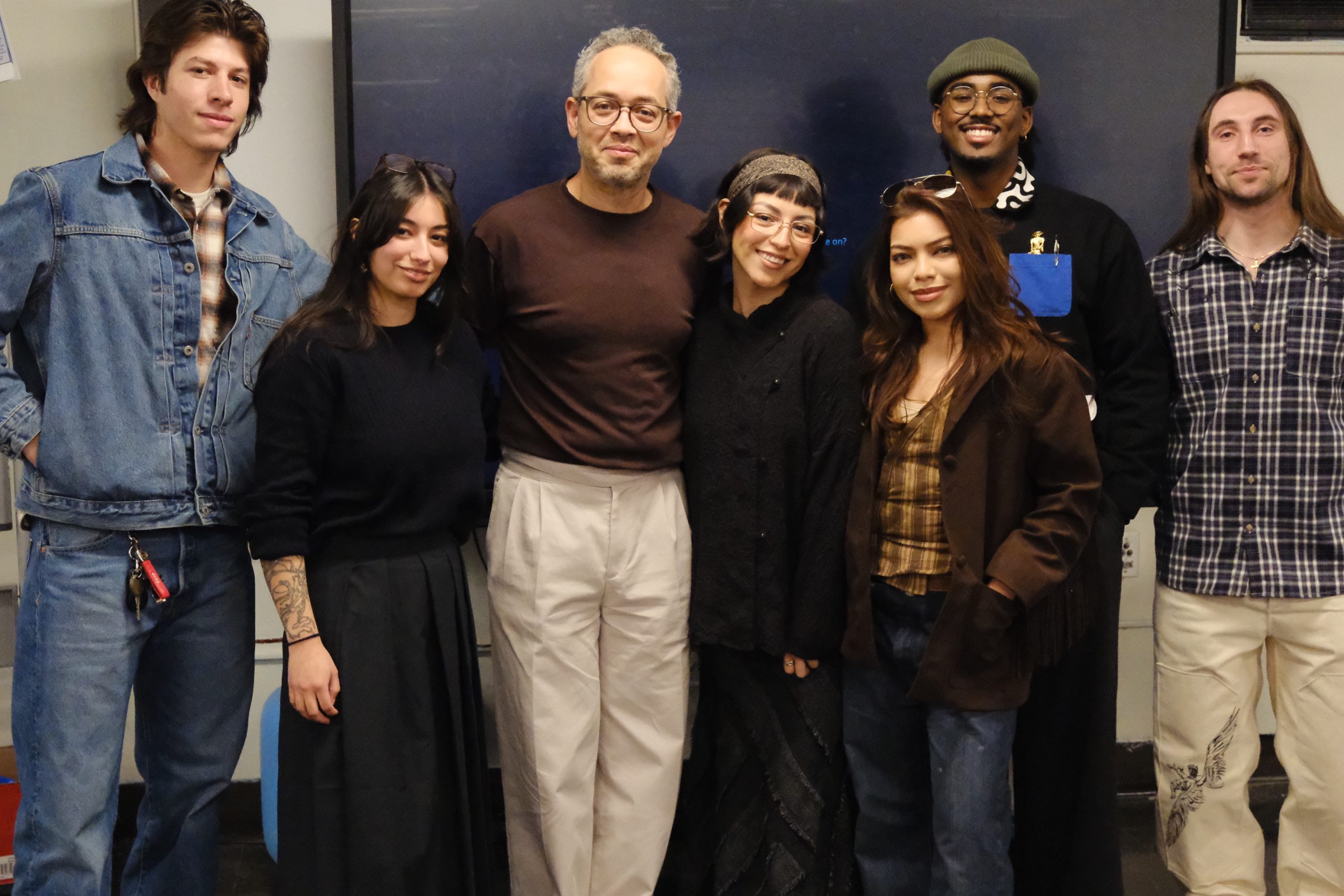
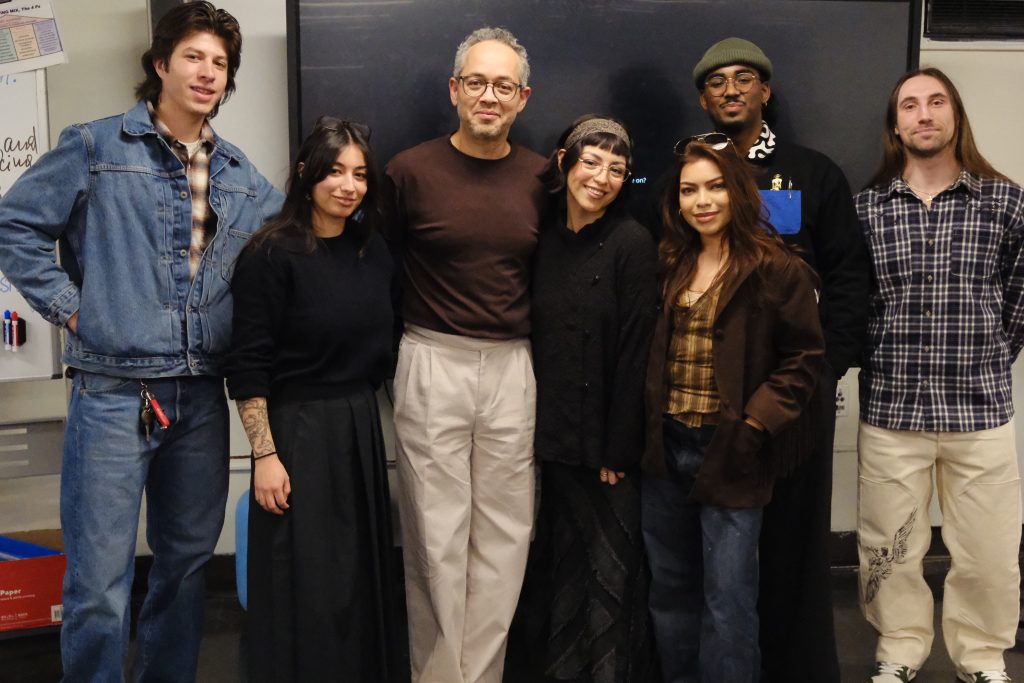
For the final presentation, I invited six former students from Montclair State University to serve as judges. Watching them sit on the other side of the table was one of the most meaningful moments of my career.
Thank you to Sean Gadiare, Aryanna Salmon, Daniela Beltran, Ariel Rivera, Zach Burkle and Kevin Sousa. You showed up with professionalism, generosity and a genuine investment in these students. That means everything.
Sean put it perfectly after the event:
“These young students had been learning the fundamentals of creating a miniature collection over a six-week period. What they were able to accomplish in such a short time was truly inspiring. I’m very proud of them all.” – Sean Gadiare
And Zach shared something that stopped me in my tracks:
“I can vividly remember being in class learning the whole process and now being able to give critiques and judge is something I am forever grateful for. I’m not only honored but humbled that he thought of me, a prior student, fit and capable of giving such feedback.” – Zach Burkle
Aryanna described seeing the students present their work for the first time:
“High school students presented their fashion illustrations, technical sketches and flats, creative processes and their personal takes on the fashion industry. It was so great seeing fresh minds sharing their work.” – Aryanna Salmon
This is what the cycle of education looks like when it works. Students become professionals. Professionals come back. And a new group of students sees what is possible for them.
What the Students Learned (In Their Own Words)
The most honest account of what this program delivered comes from the students themselves. Here is what they said.
“I learned firsthand how challenging it is to execute ideas and how hard it is to capture this into a sketch, which taught me that fashion is not only about creativity. It also requires real technical ability. It taught me to be patient and that I need to put in effort to see results.”
“The Museum at FIT taught me about the connections between fashion, history and identity, as well as the level of skill and care that goes into each item. This experience demonstrated to me that fashion extends far beyond people’s concepts. It is about taking your ideas and turning them into something.”
– Raisa Morales
Samantha shared five things she learned:
Fashion requires effort, practice and technique to create the results you want. It does not happen by going with the flow.
Fashion communicates who we are, what we believe in and our personal style without using words.
Fashion illustration requires a range of techniques to make a design look realistic and detailed.
Learning to use tools efficiently improves the quality of your work and makes the process easier.
Fashion has its own proportions, its own logic and its own global centers. Understanding that changes how you approach design.
“Before this internship, I thought fashion was easier and mostly about creativity and ideas. But after experiencing the process myself, I realized that it also requires a lot of technical skills, patience and practice.” – Samantha Michael, MECA Student
What This Program Is Really About
Fashion is not gatekept by talent alone. It is gatekept by access.
Most of these students had never used Adobe Illustrator before this program. They had never built a moodboard, written a client profile or stood in front of industry professionals to defend their creative choices. They did all of that in six weeks.
What I want every young person who goes through this program to understand is this: the industry is not waiting for perfect. It is waiting for perspective. Your background, your culture, your community are not things you leave at the door. They are your design language. They are what makes your work matter.
This is the foundation of everything I do, whether I am teaching at College, running a program in NYC schools, building my brand CDM Carlos De Moya or working to connect Caribbean and Latin American design voices to global platforms.
Fashion needs more rooms where young people from underrepresented communities get to walk in and take up space.
This was one of those rooms.
What Comes Next
If you are a school administrator, community organization or educator who wants to bring a fashion design and entrepreneurship program to your students, I want to hear from you.
If you are a young person who wants to build a future in fashion and does not know where to start, reach out. There is a path. We will find it together. Let’s Talk! contact@carlosdemoya.com